Chicago Renaissance Continued
Meet The City's Next Wave of Musicians
Words by Jake Krez • Photos by Michael Salisbury
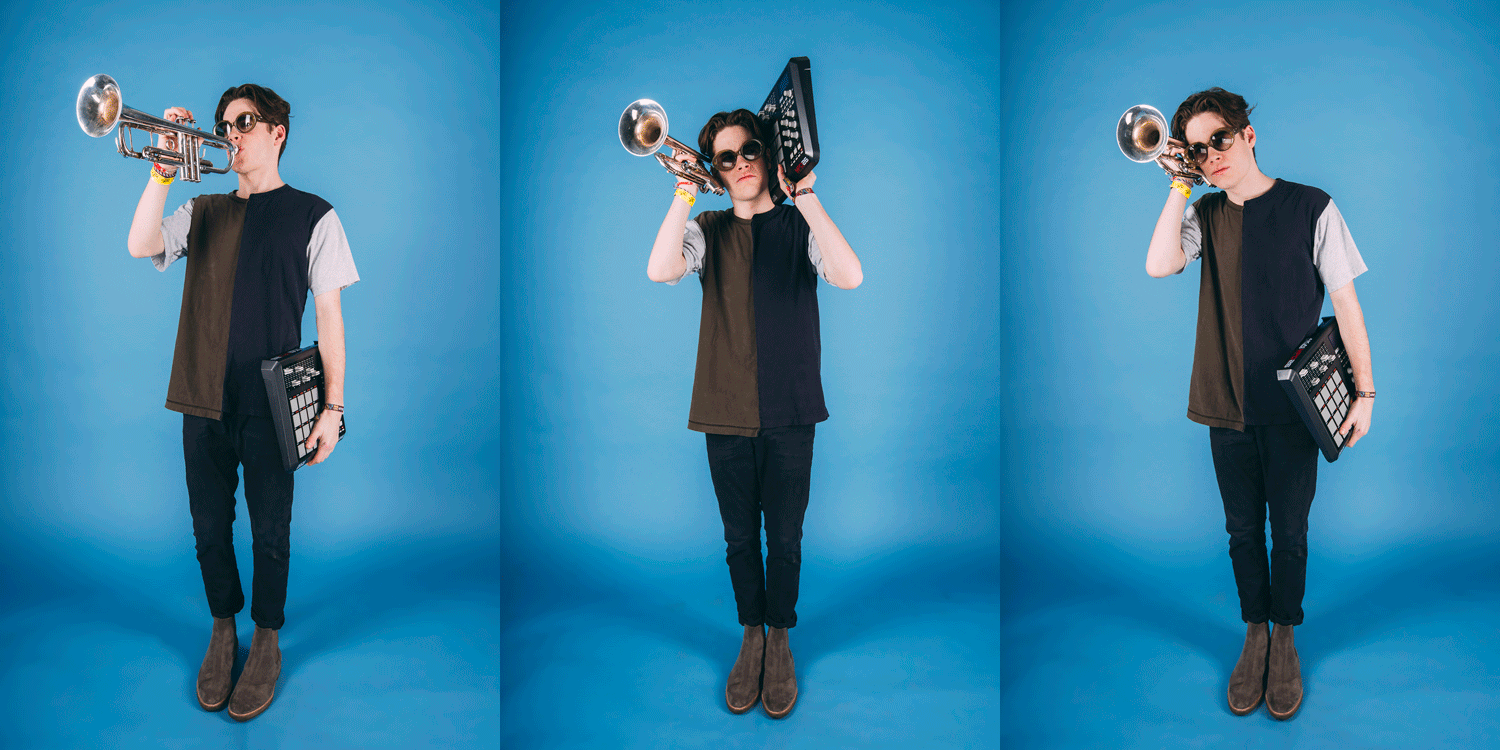
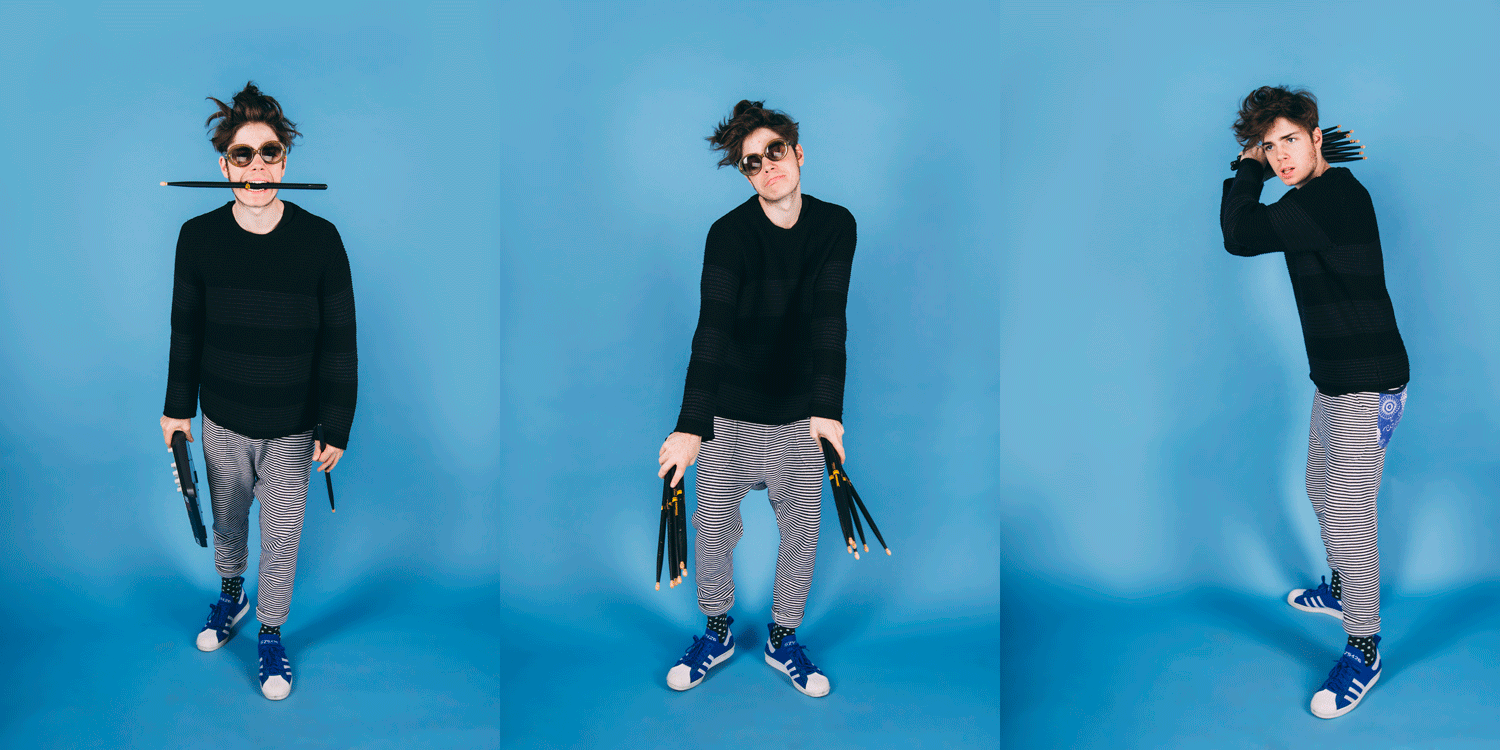
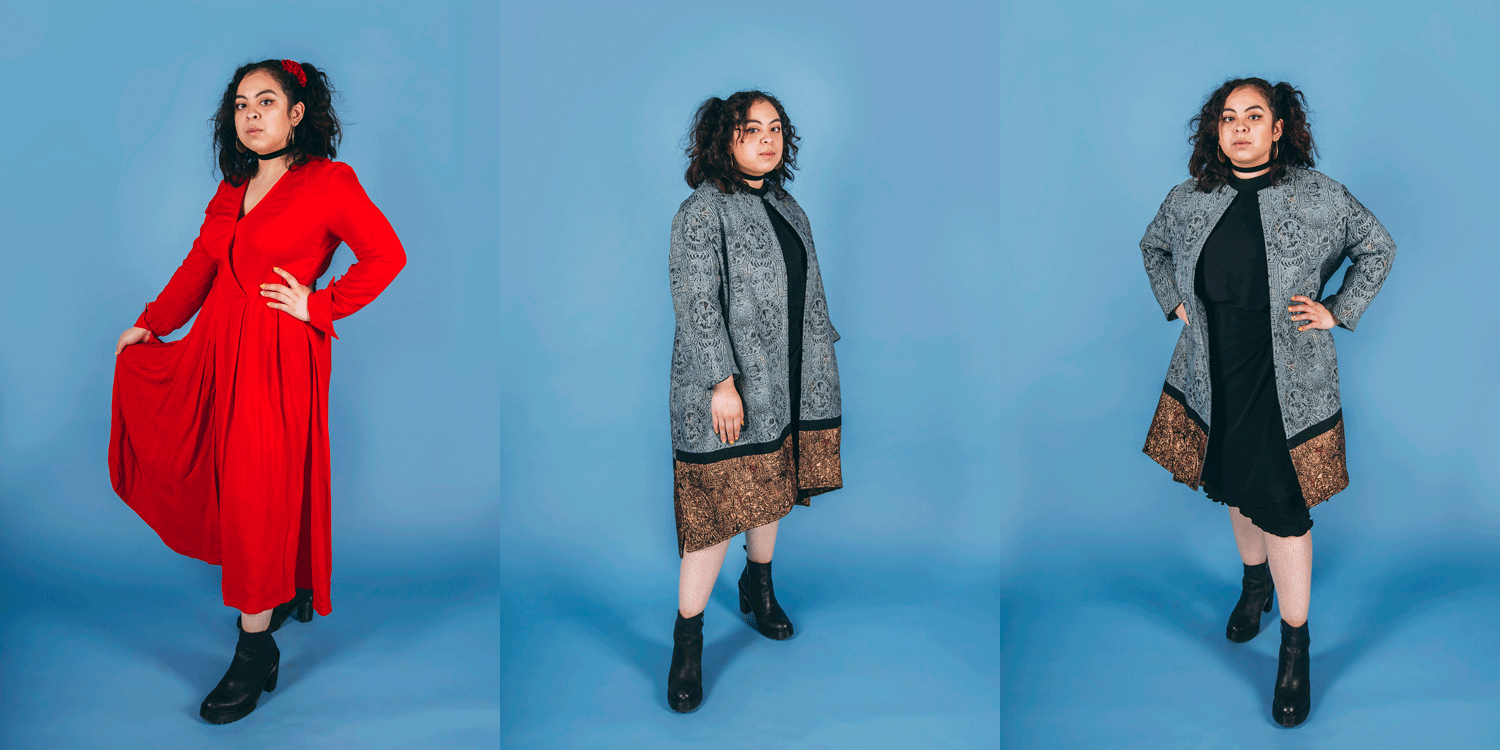
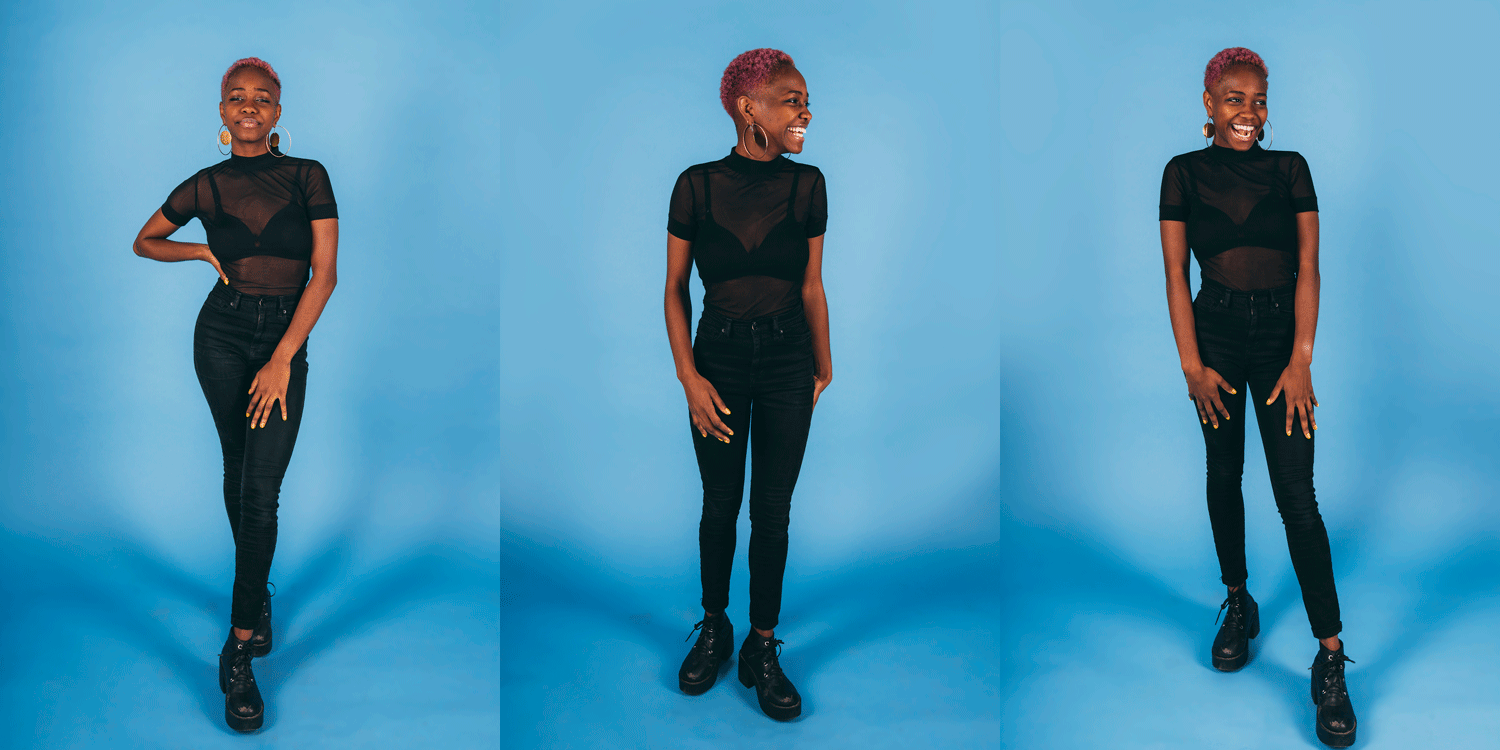
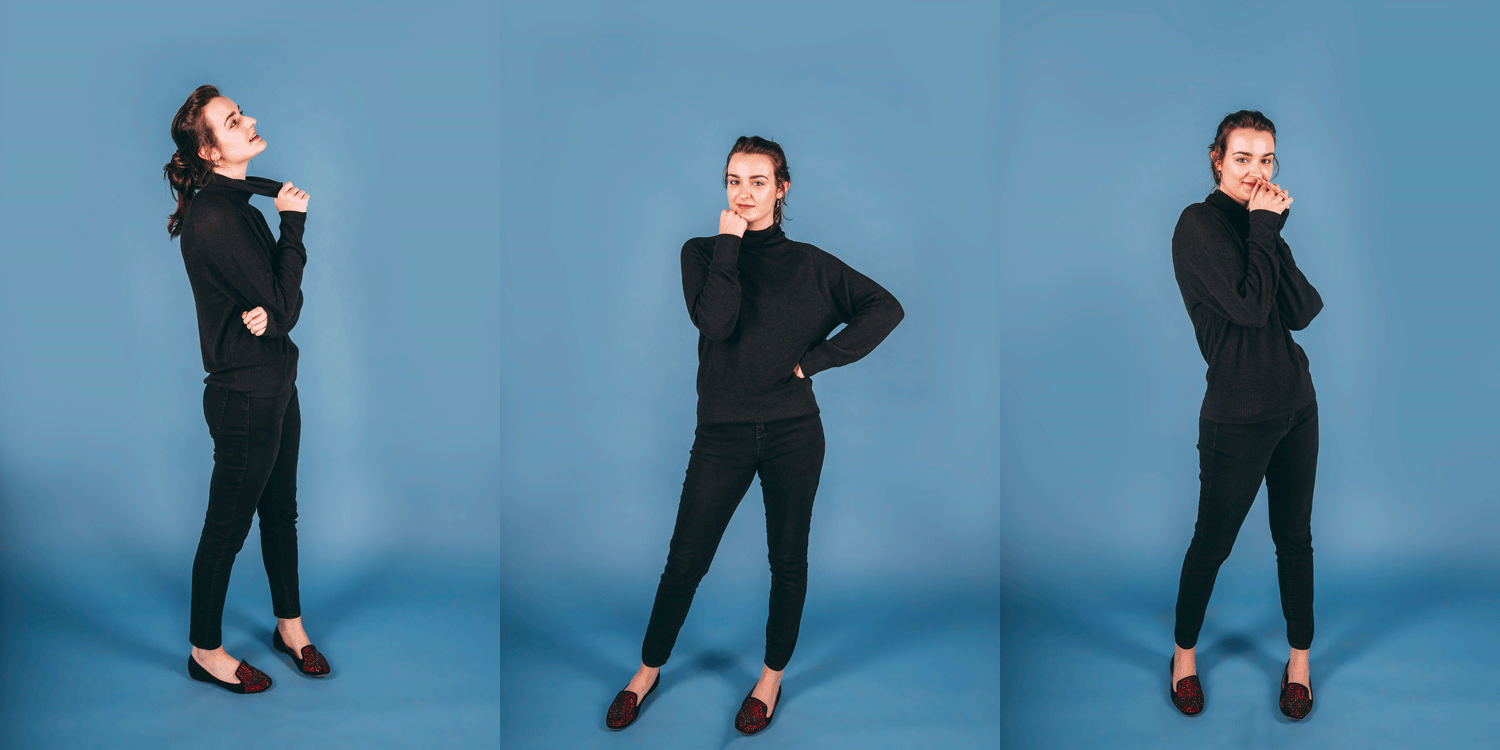
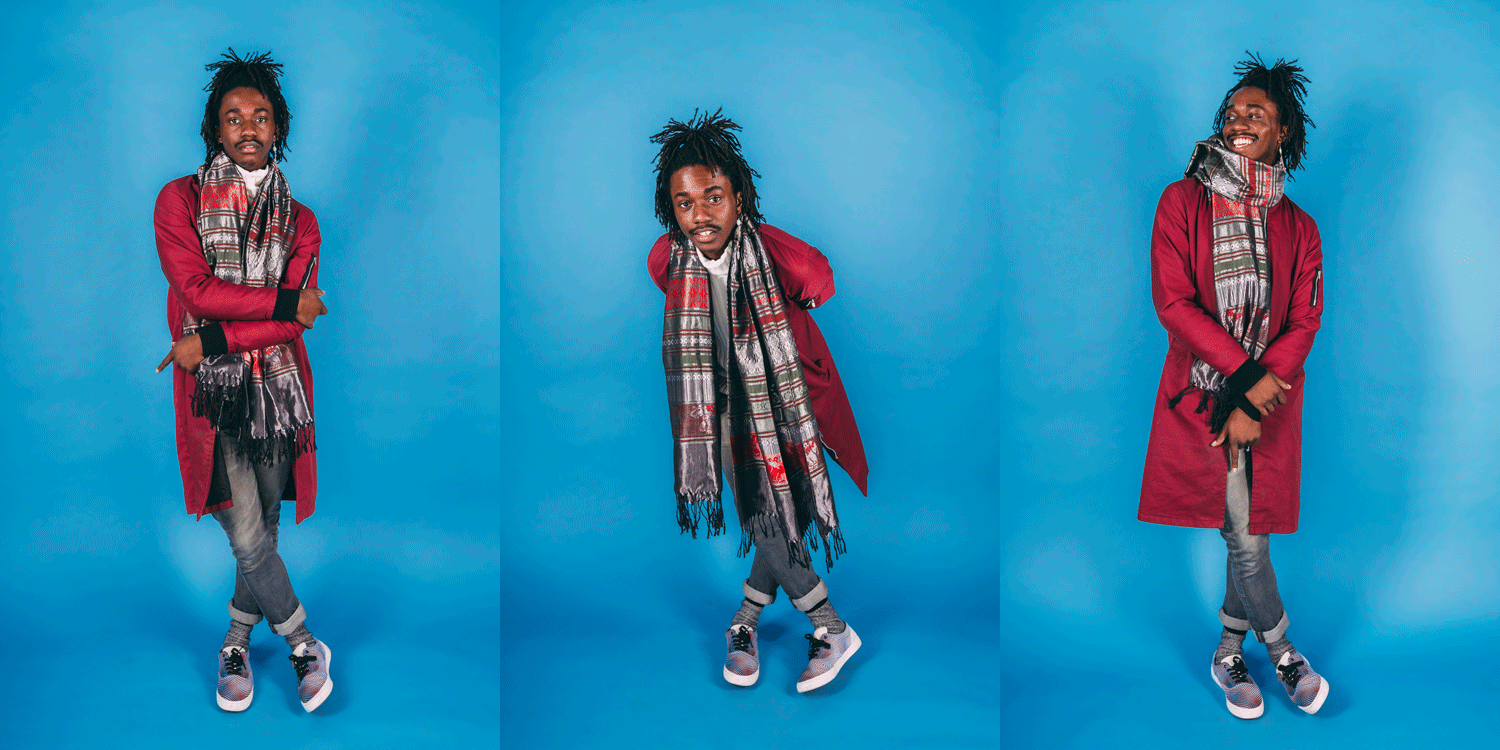
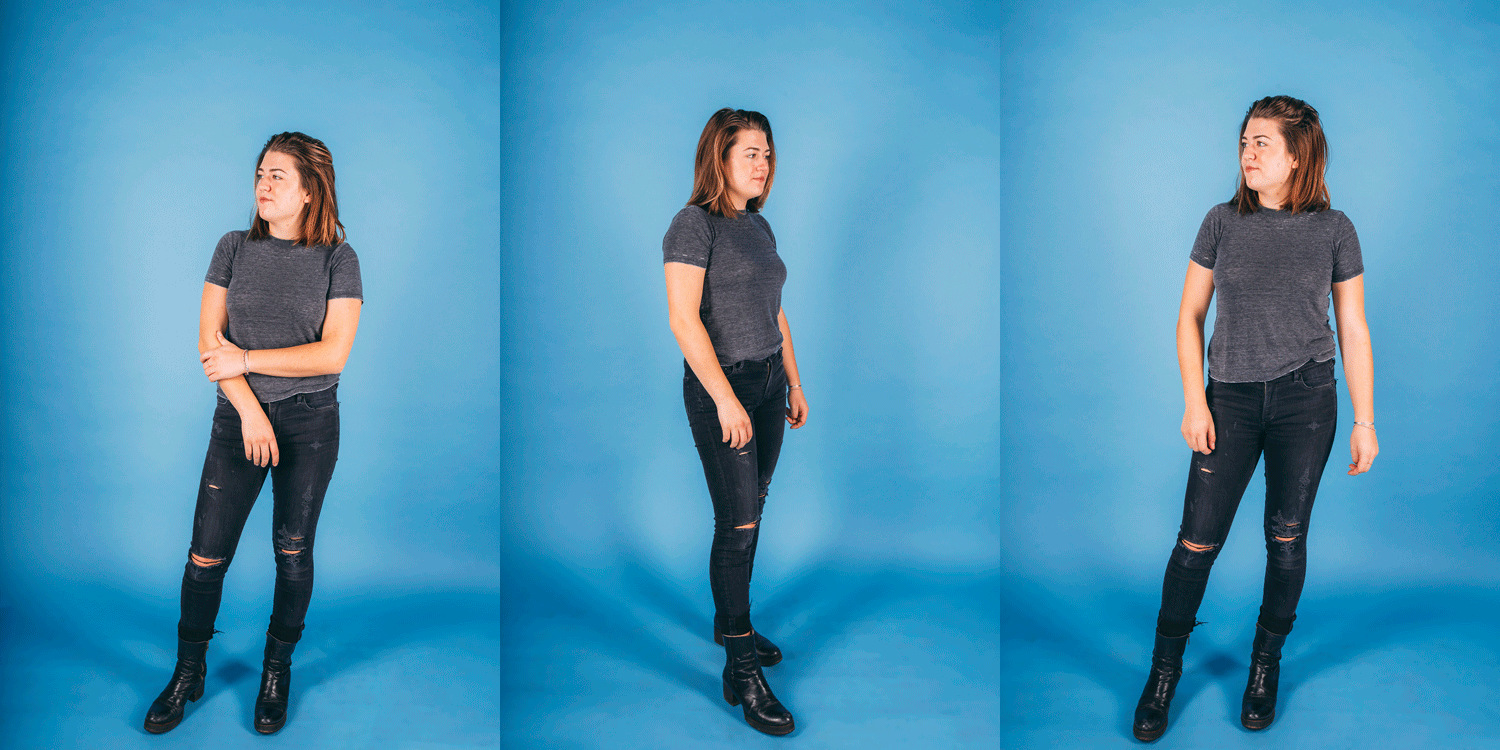
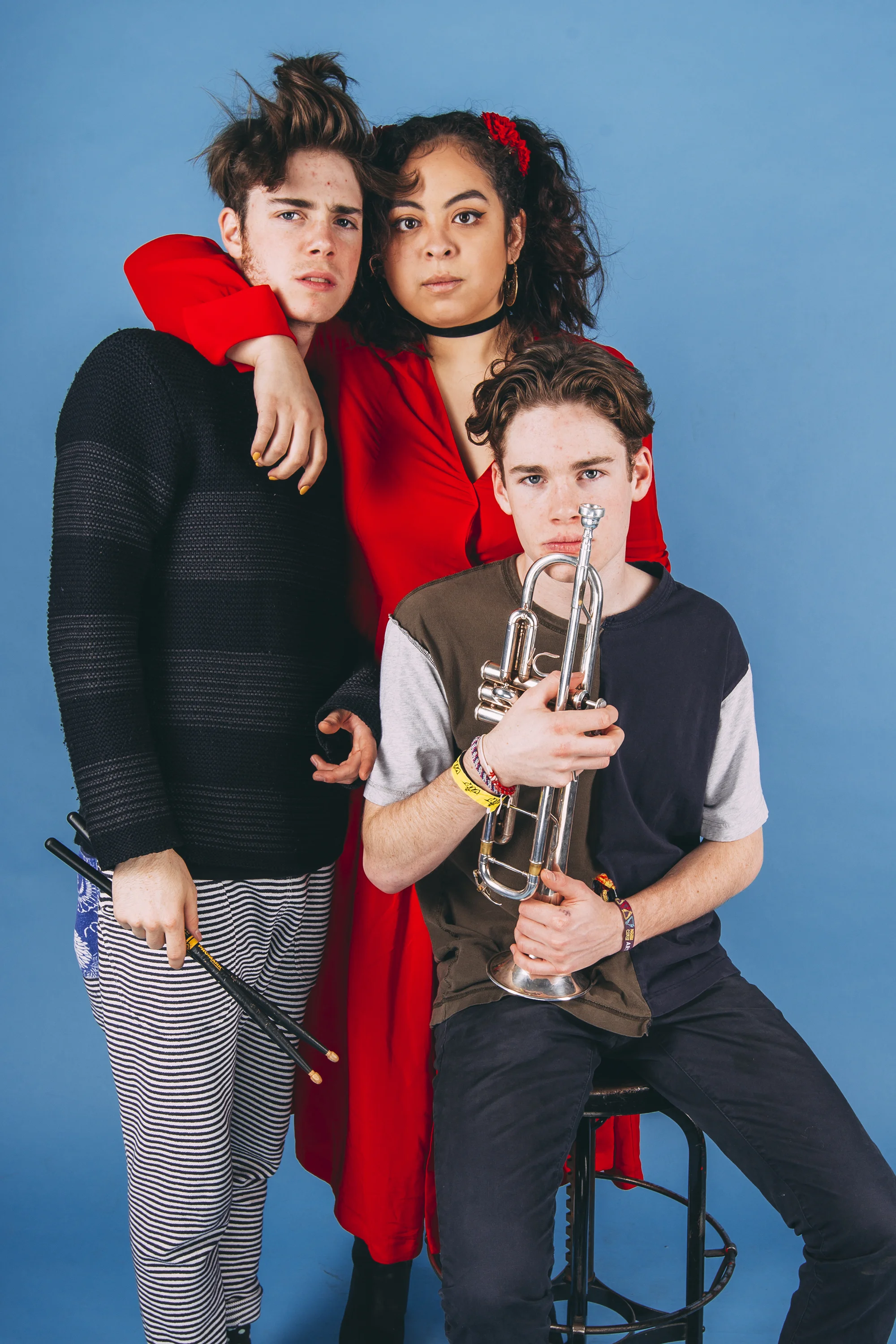
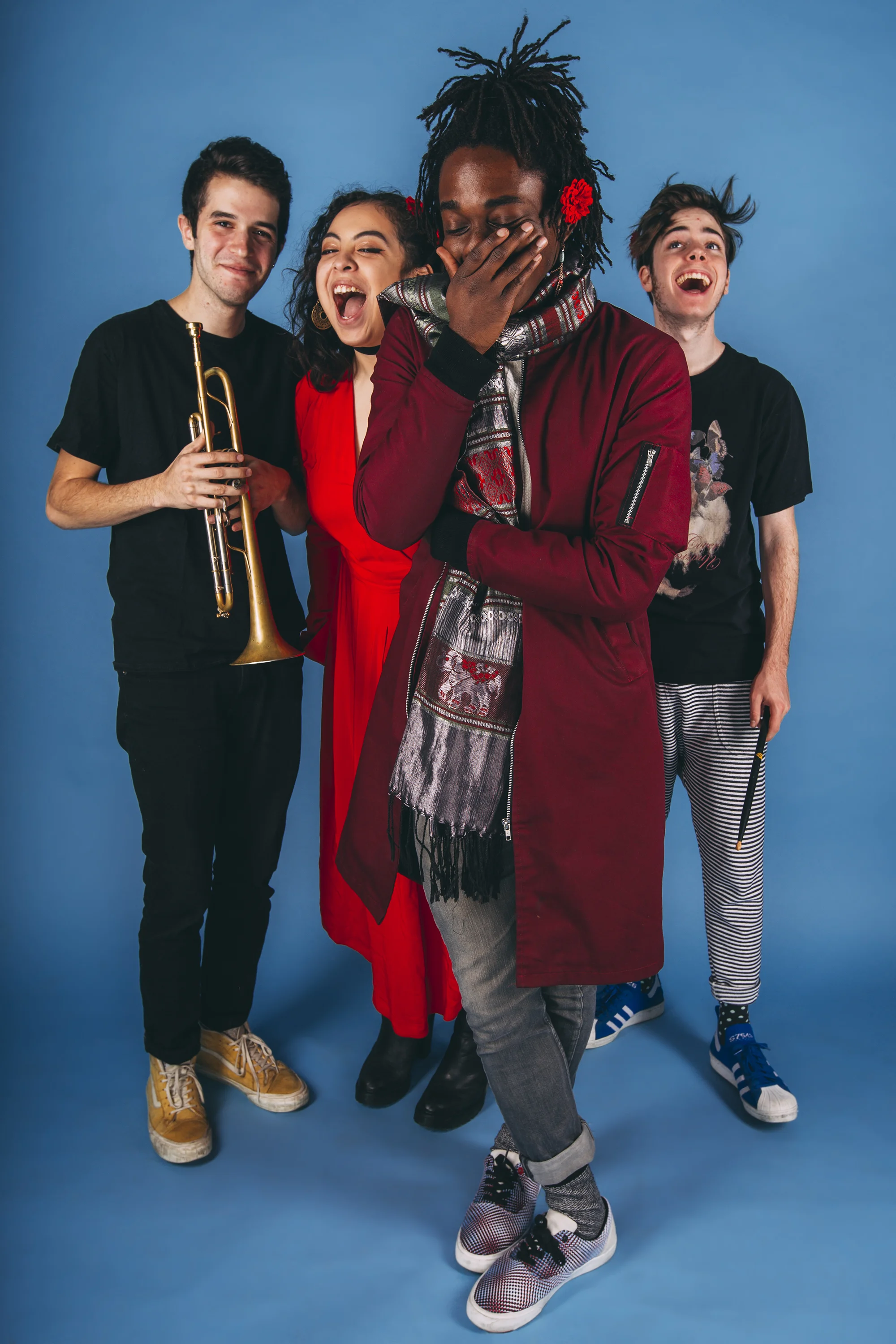
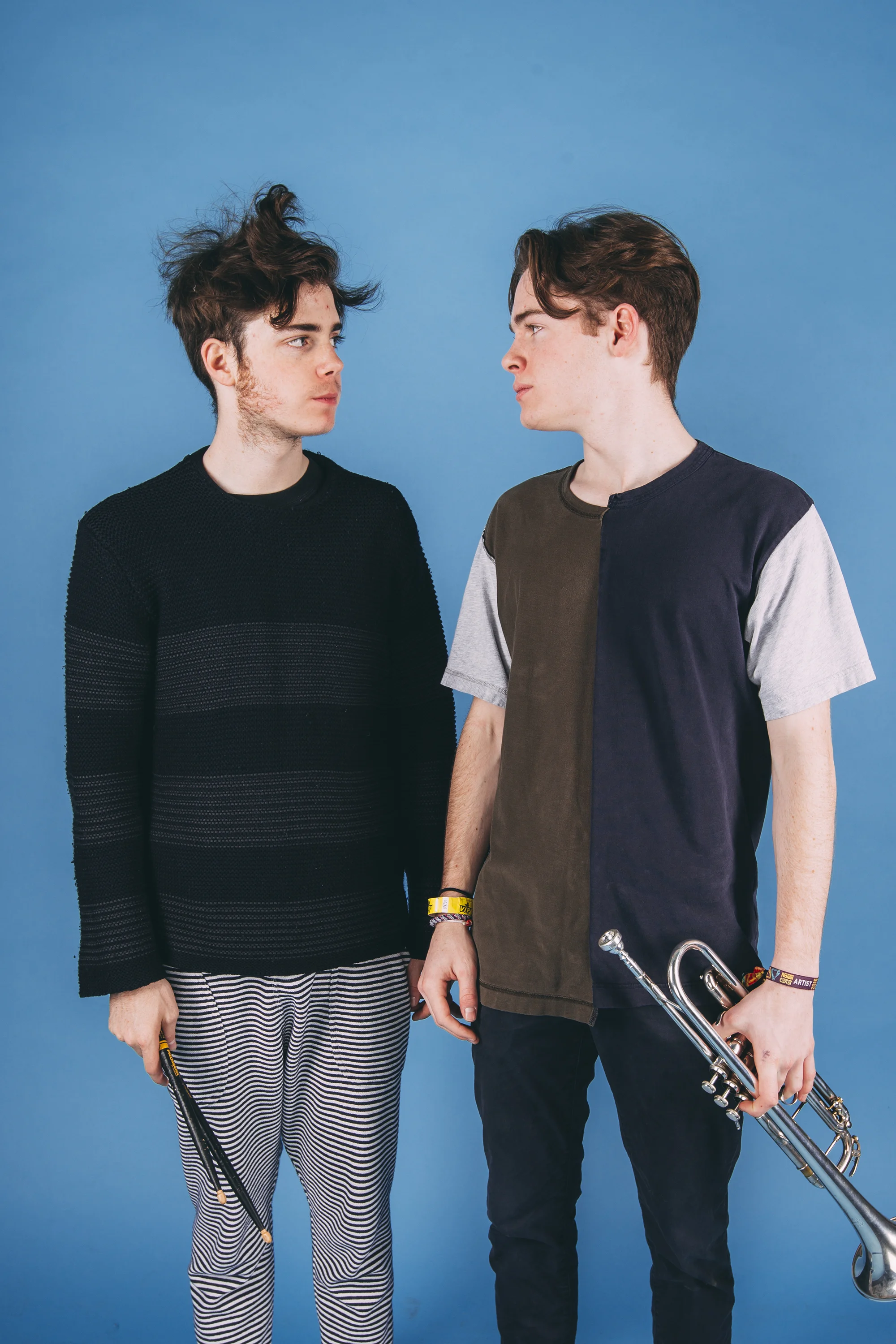
As the clock neared midnight on December 31, 2016 Kaina Castillo, clutching a microphone in one hand and bottle of champagne in the other, led a packed room as she counted down the final moments to the new year... To her right was a set of fresh-faced twins named Eddie and IZ, emphatically jumping up and down with the passing seconds. To her left, horn players Sen Morimoto and Sam Veren urged the crowd before them as the countdown hit three, and then two. A moment later, the whole group stood under a shower of bubbling champagne as Castillo exclaimed “Happy New Year,” popping the cork from the bottle in the process. As the suds rained down on the group of young friends from the ceiling, it was immediately evident that 2017 would have plenty in store for the central figures in what’s quickly becoming the next wave of Chicago music.
Since about 2012, the community of artistry here in the middle of the country has proven a unique ability to affect the larger context of music. This synergetic group has achieved its far spreading influence through a variety of well-informed sounds and aesthetics that, a the same time, complement and diverge from one another. Each year since has seen a new wave step up to prove themselves on the biggest of stages. That first year brought us the Drill movement featuring the likes of Chief Keef, King Louie, Lil Durk and a long list of names with and without steady staying power. 2013 saw the emergence of more eclectic acts like Chance The Rapper and Vic Mensa while 2014 saw the initial introduction of artists that would follow that open door like Mick Jenkins, Saba, NoName among others. 2015 was a year of development that saw the further growth of that class, while subsequently rolling out long-anticipated projects from Eryn Allen Kane, Smino and Towkio. With one act after another finding their way to the forefront of the music scene at large, a sort of larger family structure emerged through the confluence of late night sessions, packed Stix Jam Nights, careful mentorship and plenty of practice. One of the most lauded decisions by Chance and the class of artists he represents has been the collective decision to stay in Chicago to create. By doing so, the artists at the top of the game currently have been sowing the seeds of the next wave to push the city’s creativity forward even further than those who came before them.
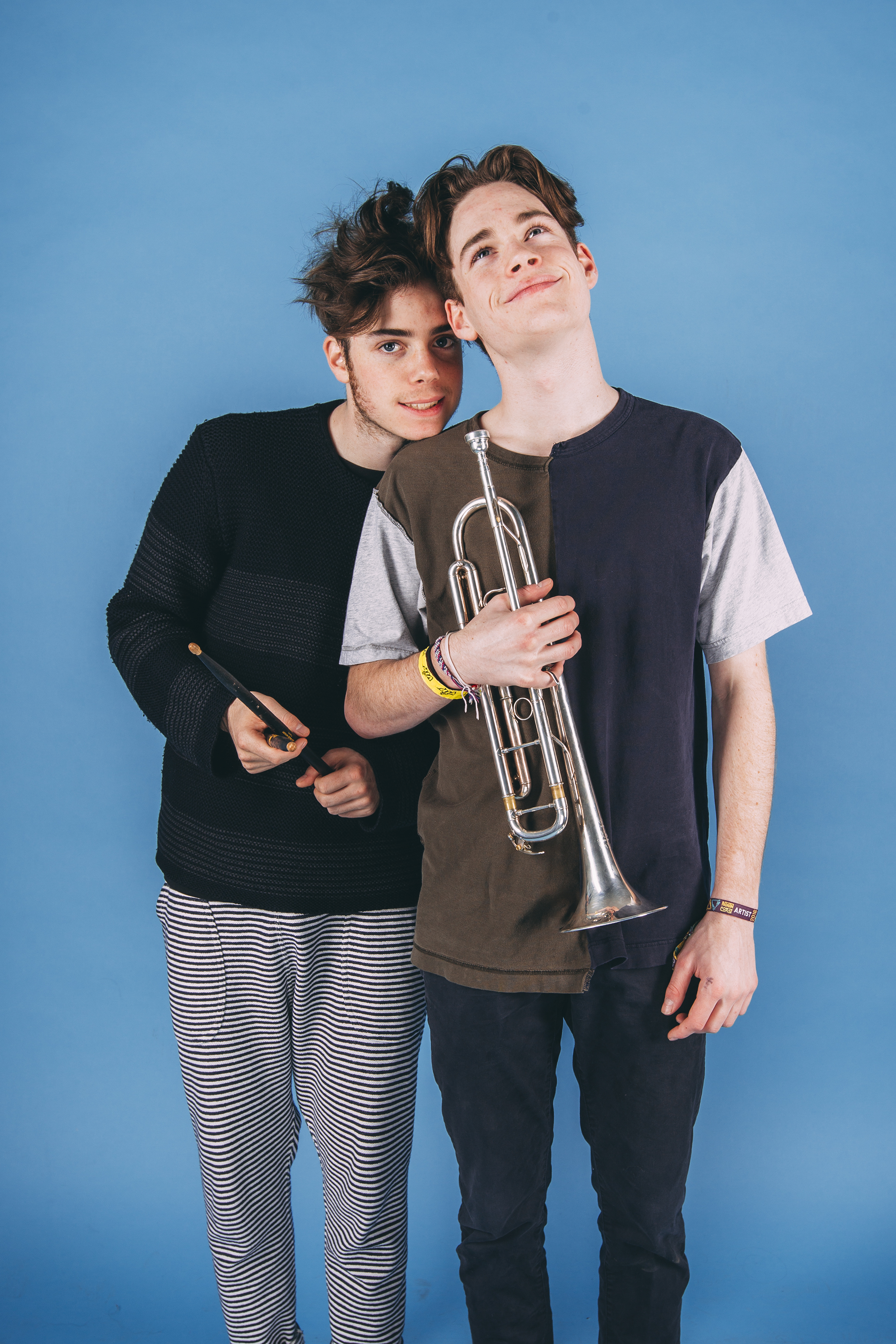
While the first few classes to come through the city during it’s most recent chapter have been largely contemporaries of the same age, this latest contingent represents the realization of the prior’s influence. In much the way Chano has taken clues from artists like Kanye on his way upwards, Eddie and IZ’s father, Stephen taught Nico Segal and Will Miller the trumpet, Kaina learned the keys from Peter CottonTale, Eddie got tips on the drums from Stix and Ric’s raps come greatly influenced by the after-school poetry programs led by Kevin Coval and Jamila Woods. Together, that particular collection of influences has largely paced the scene we enjoy today. While the oversight from those to walk the path has been evident, this latest collection of artists and musicians appear intent on making it on their own, by following the tenants of what has made the scene what it is today. Four years ago when Acid Rap was released, Kaina and Ric were seniors in high school while Eddie & IZ were just wrapping middle school and the influence of seeing those ahead of them make it to the biggest stages available has certainly made a difference in how they and the ever-growing collective of talented fresh faces approached their work when their turn finally came.
“It’s an honor and a privilege that we have people to observe, you know what I’m saying? If we were just doing this from scratch I don’t even know what that would look like,” said Castillo during a recent interview. “It’s nice to have a system to be like ‘oh this is what they did’ or have mentors that have been close to that and be like ‘oh this is what they did, you can do this’. Like I said, I think it’s mostly like a privilege of living in Chicago, it’s like there’s no industry here but we have those systems, we’ve had those folks go before and now we know what it looks like. It’s easier for artists here to look at something and understand exactly what it is.”
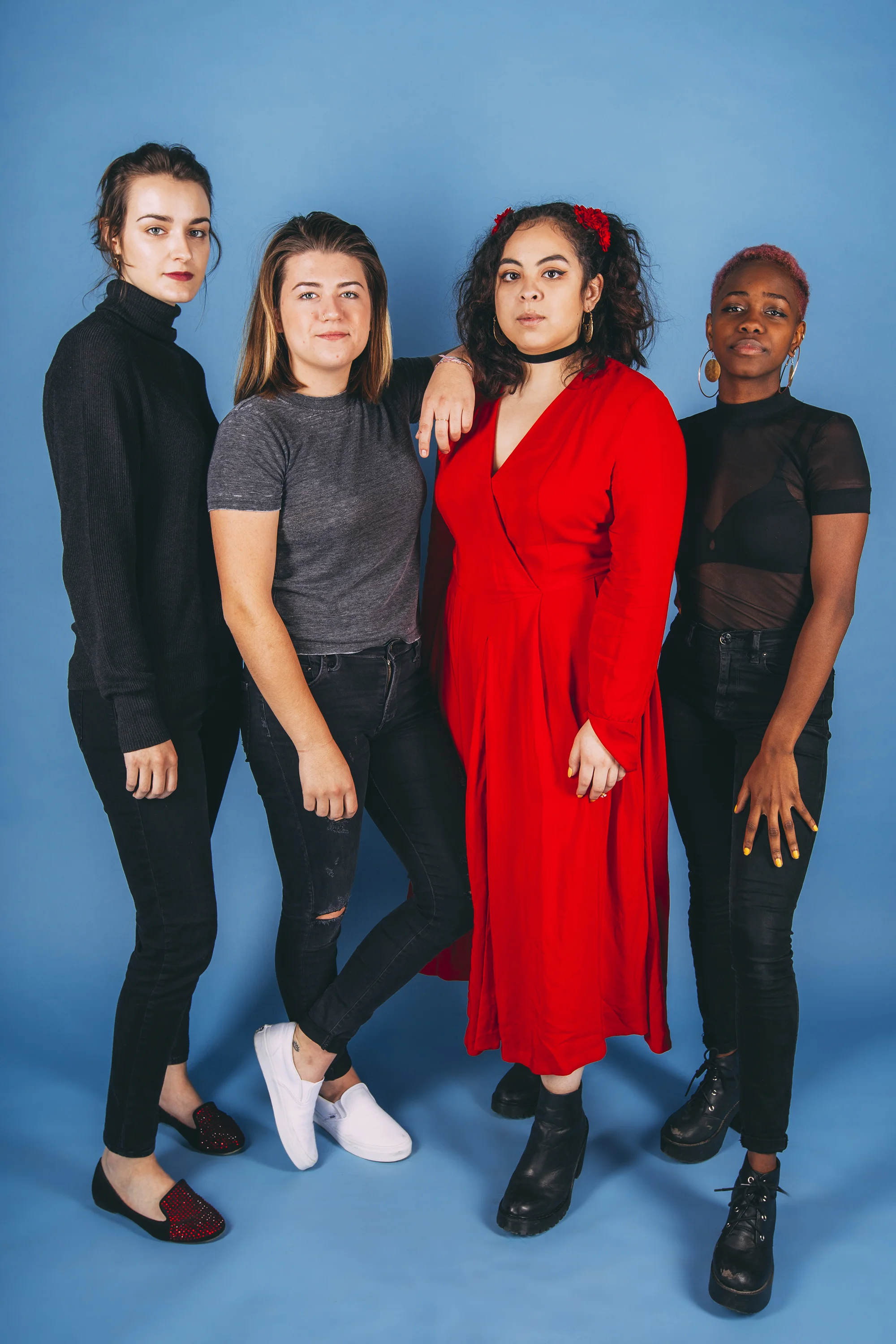
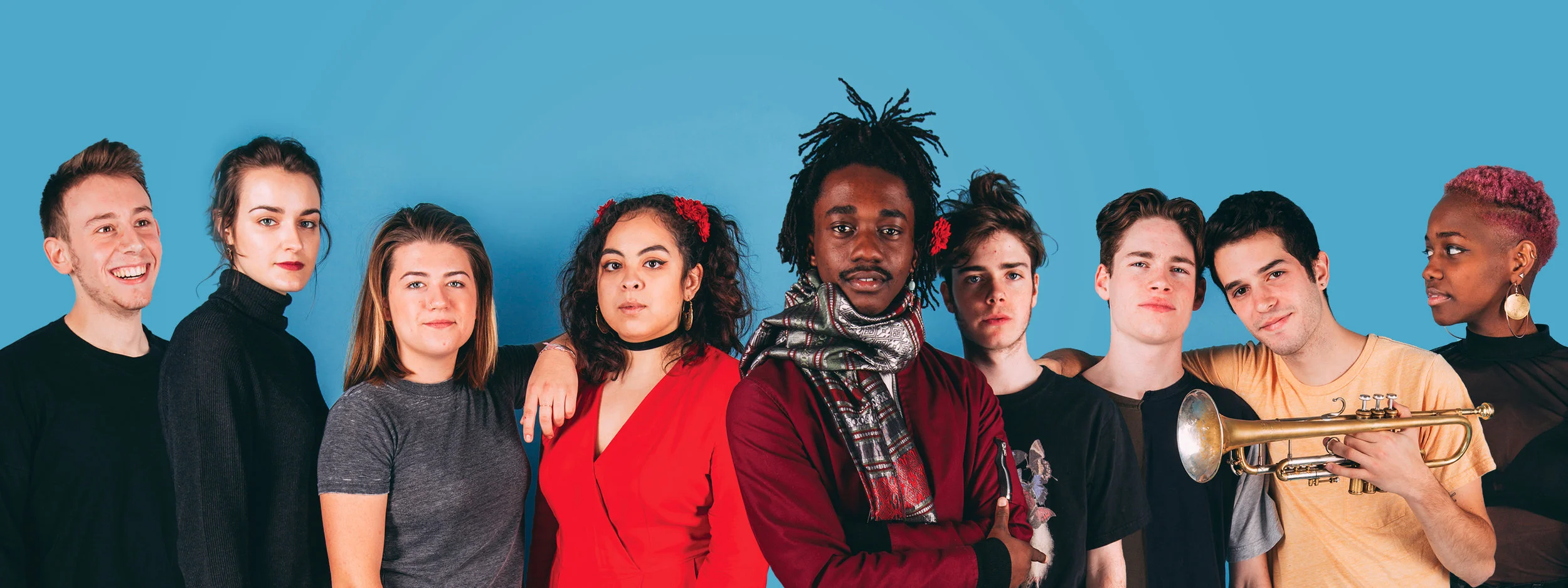
The talent that permeates from Wilson at the front of the stage to the layered horn section of Veren, Morimoto and Sam Veren alongside IZ to the sinewy, seemingly effortless vocals of Paige Pohlad and finds it’s way full circle with the soulful stylings of Kamaria Woods, younger sister of Jamila, and the carefully-assigned vocals of Lucy Hartman. The collective operates as a seamless machine, constantly nodding to their quick predecessors with the arrangement of horn lines to the sentiment of the lyrics in Castillo’s songwriting. It’s the continuance of a sound, a culture, a community that has uniquely grown, evolved and developed over the course of the last five years into a streamlined incubator system that any label head would kill to emulate under a capitalistic banner. The drive pushing the music forward for this generation comes not from a want for fame or riches, but rather from an innate understanding of the power of the music they create and the responsibility to uphold continue the movement that was started years ago and currently shows little signs of letting up.
“It’s almost like me, Kaina and the Burns Twins are like a collective with no name. I was just thinking about that the other day and I think it’s just because we all want to see each other do the best we can possibly do and I think that’s why it works so perfectly. No one’s really hating on each other, everyone is like straight up trying to help each other and that’s pretty much it,” said Ric Wilson.
“It’s almost like me, Kaina and the Burns Twins are like a collective with no name”