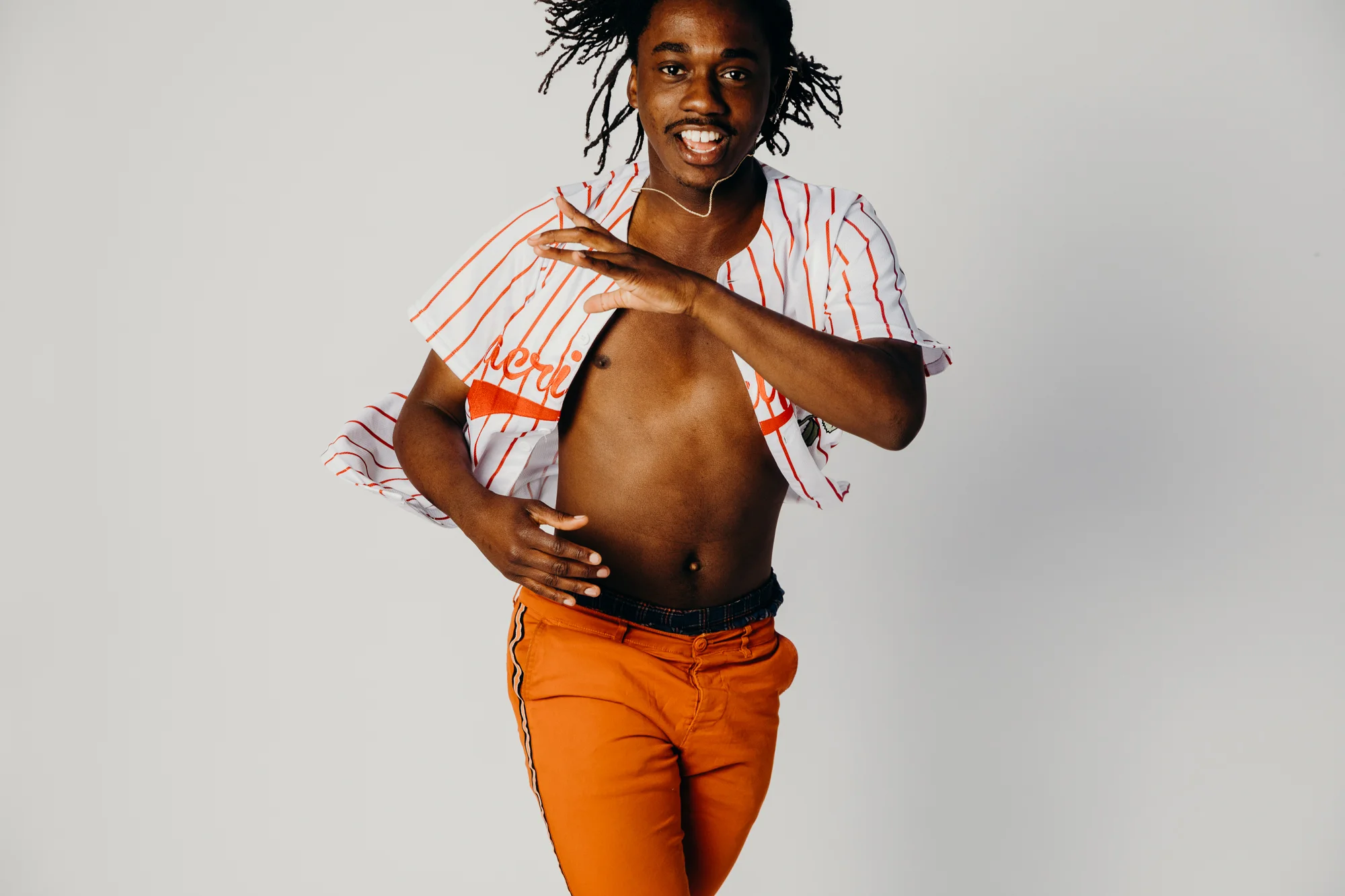
Brushing Out A New Canvas, Ric Wilson's Ode to Black Artistry
Words by Ray Mestad • Photos by Michael Salisbury
It’s all coming together for Ric Wilson, the young Chicago rapper in the grips of a major glo-up. Much has happened in the 3 years since the release of his debut EP The Sun Was Out and now, with the release of BANBA (“Black Art Not Bad Art”) May 18th, Ric is taking the next step forward. His growth has been a process defined by filling in the brush strokes of his career, from his dedication to live performance, to his development from one project to the next, to his multi-talented nature as a vocalist, producer and engineer. Now, with BANBA, we get a glimpse of Ric’s internal life in a painting even more personal, his self-portrait.
Ric Wilson, hailing from Alsip and Blue Island, IL, spent his whole life on the far south side, never going north of Little Village until he was 17 years old. Always the entertainer, his first memory of performing was dancing to the Sopranos theme song as a 5 year old as his dad watched the TV show. He attended Clark Atlanta University where he learned engineering under the mentorship of producer Sonny Digital. Following his time at Clark, Ric returned to Chicago armed with the tools necessary to be self-reliant, and he quickly got moving. Now in 2018, his best project yet, BANBA, is almost here.
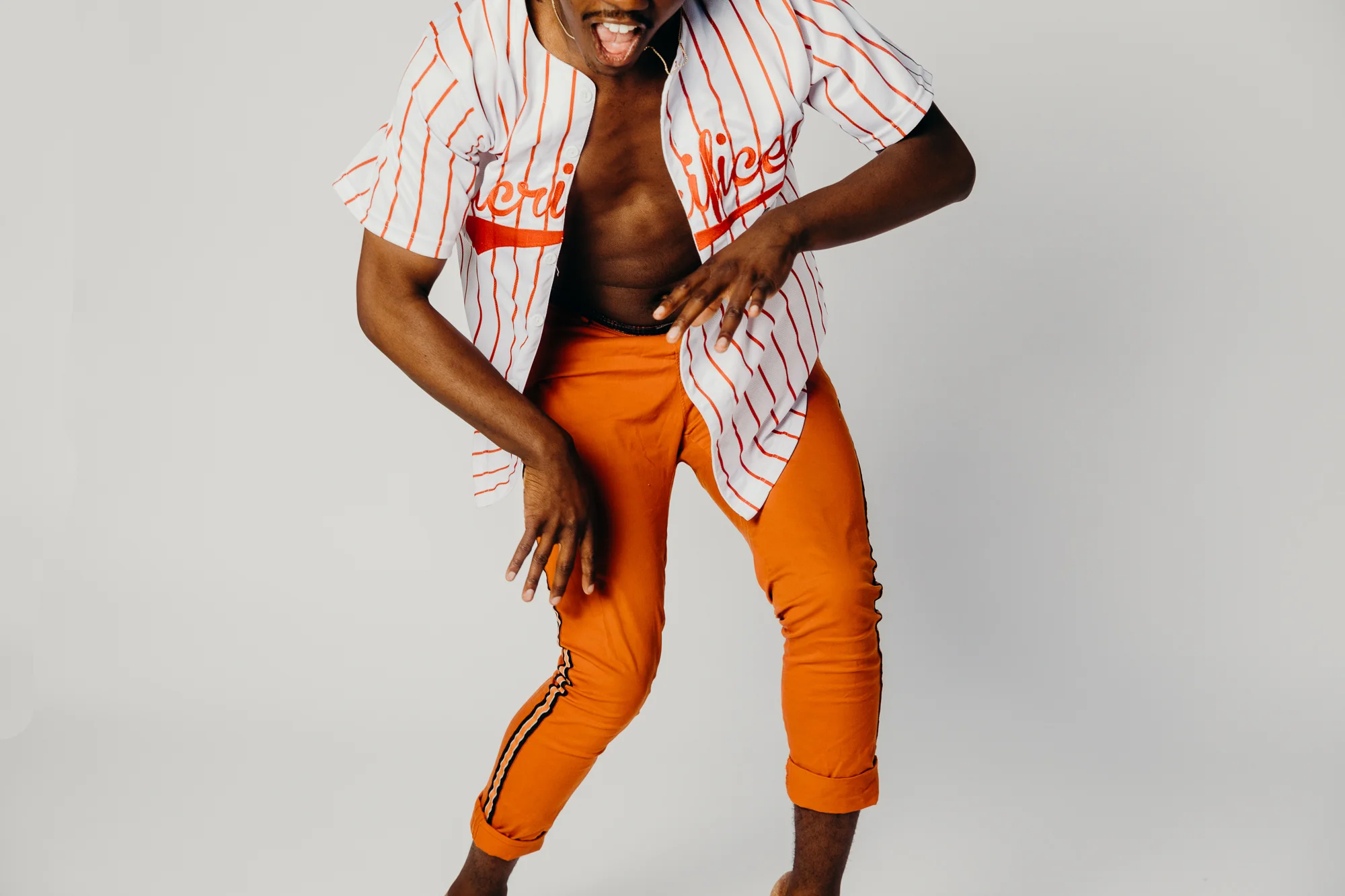
"...every rhyme I do is a stroke, and every beat is a canvas on this project. That’s kind of how I wanted to paint it."
—Ric Wilson
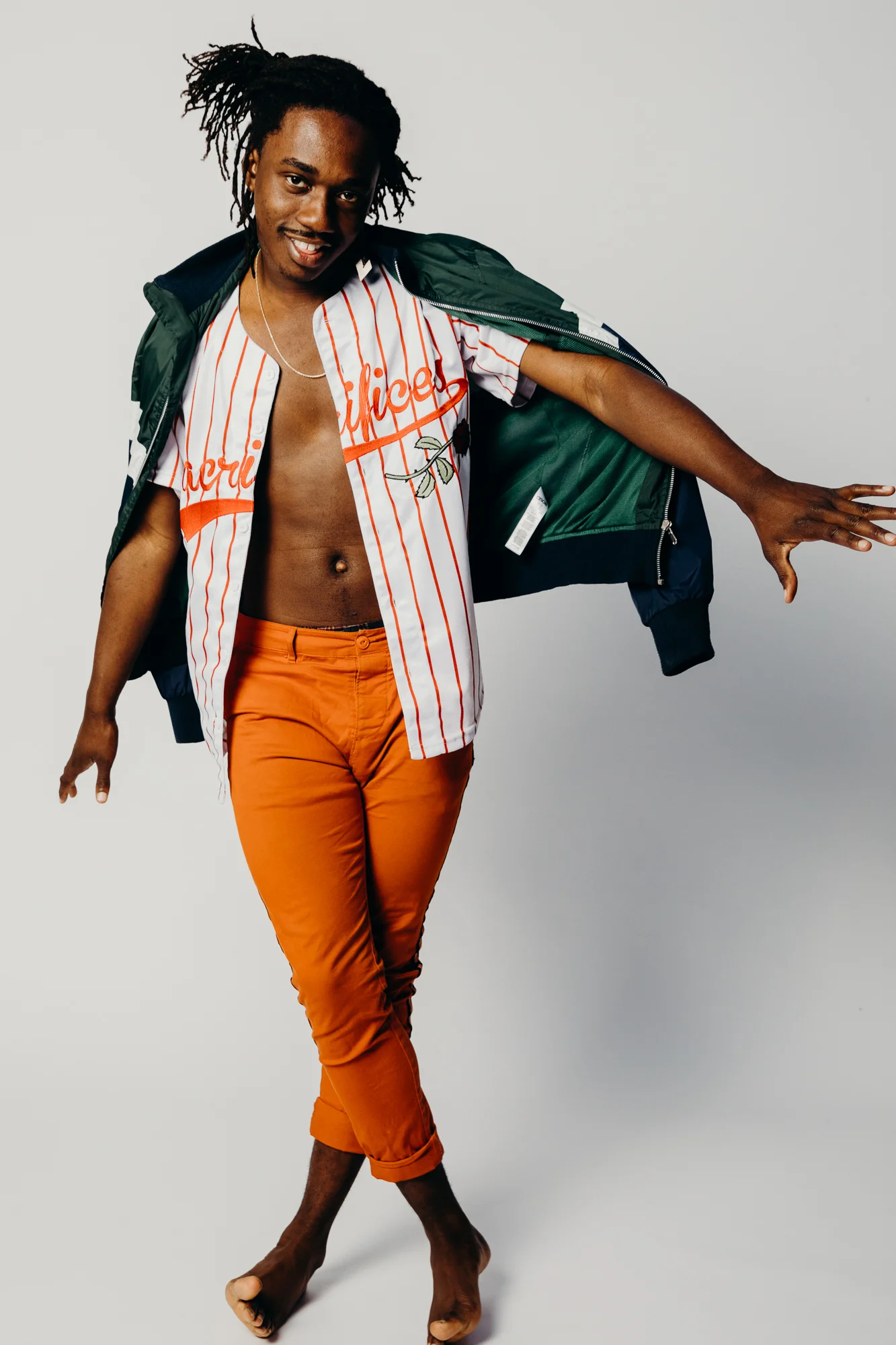
Even Ric found himself inadvertently separating himself from his status as a rapper early in his career. “I’ve caught myself when I dropped out of school kind of trying to separate myself from other rappers, or what rappers are, to make everyone appreciate my rap more.” Publications are quick to separate Ric into his own category and, while Ric fully embraces his disco sound, any division between him and hip-hop is nonsense. “I’ve created this whole Disco thing about me, so even when ‘Split’ comes out, it totally isn’t a disco track, but you’ll read Noisey or Pitchfork, which, thank god they’re writing about it and they love it, but they’re just like ‘DISCO RAP SONG ‘SPLIT’’. That’s cool because I love disco and the origins of disco, but definitely with BANBA I was trying to show people I can rap better than I was rapping before...rap a little more, and grow as an artist.”
BANBA is “an ode to all black artists- including Basquiat- in the sense that we always have to prove that our art is 10 times better than white, mediocre art.” The Basquiat-inspired BANBA is a statement on the marginalization of black art, even at its most popular. Basquiat, now regarded as an oracle of the art world, was derided at the time by critics as a “talentless hustler” and “street-smart but otherwise invincibly ignorant”. Overdosing at 27, it took years for his name to reach the pinnacles it deserved, a parallel Ric draws with people who say “rapper” with venom. It’s the same mentality that ostracized Basquiat from mainstream art culture. “Since the beginning, rap has had to prove itself. Rap is always looked down upon. It’s so funny, because we talk about the same shit that fucking Blink 182 talks about, or Sum 41, the whole pop punk era”.
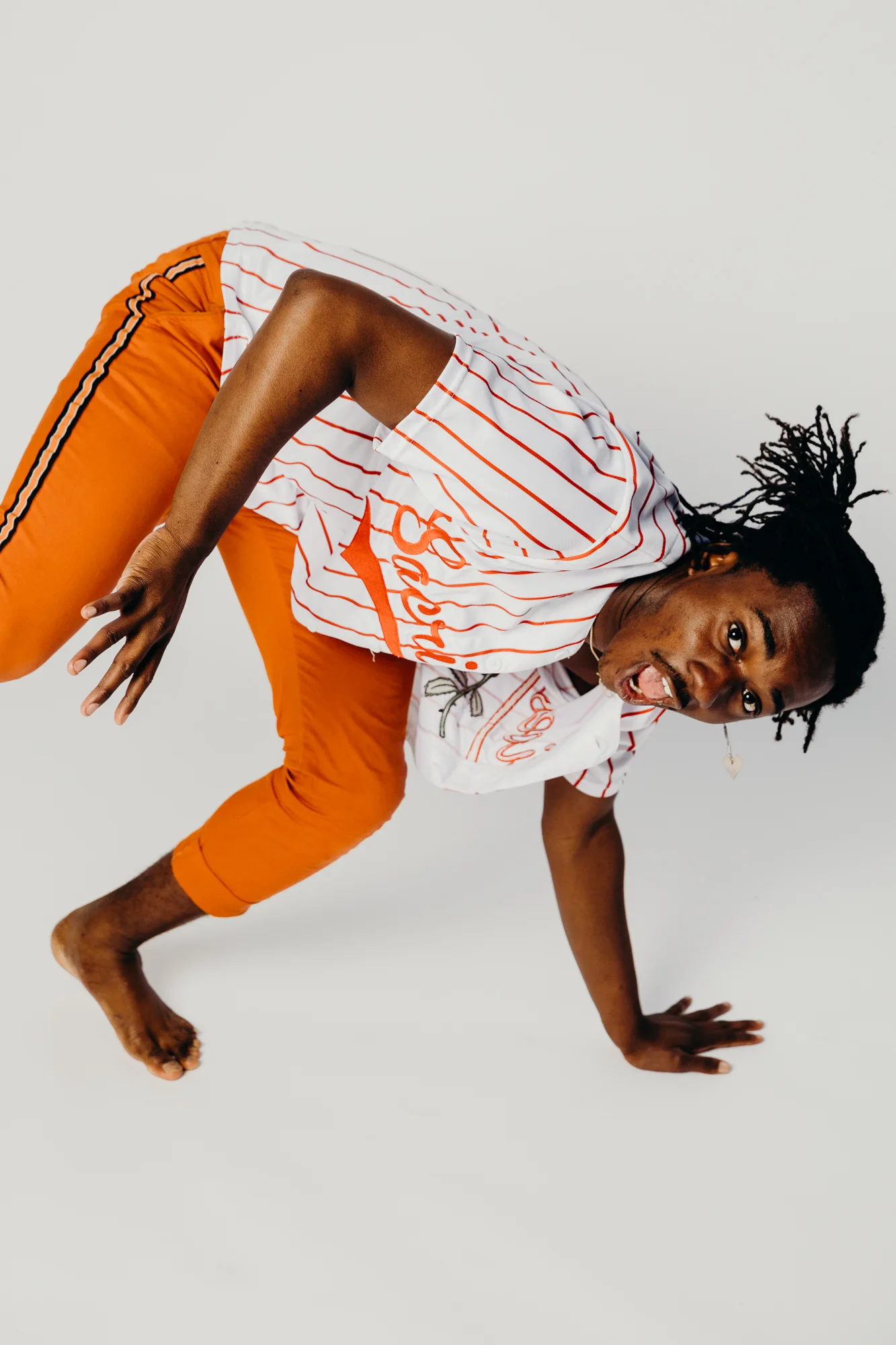
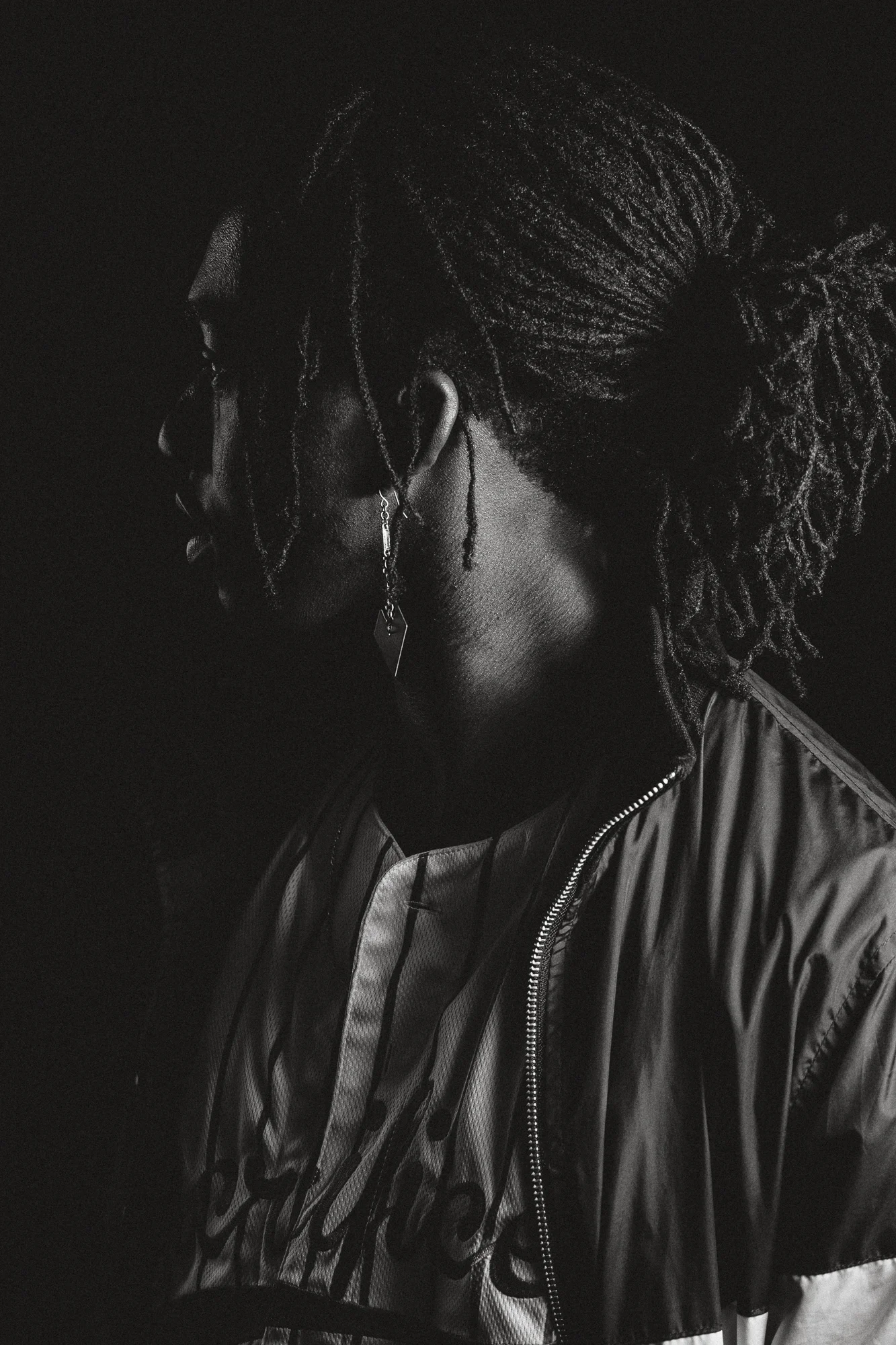
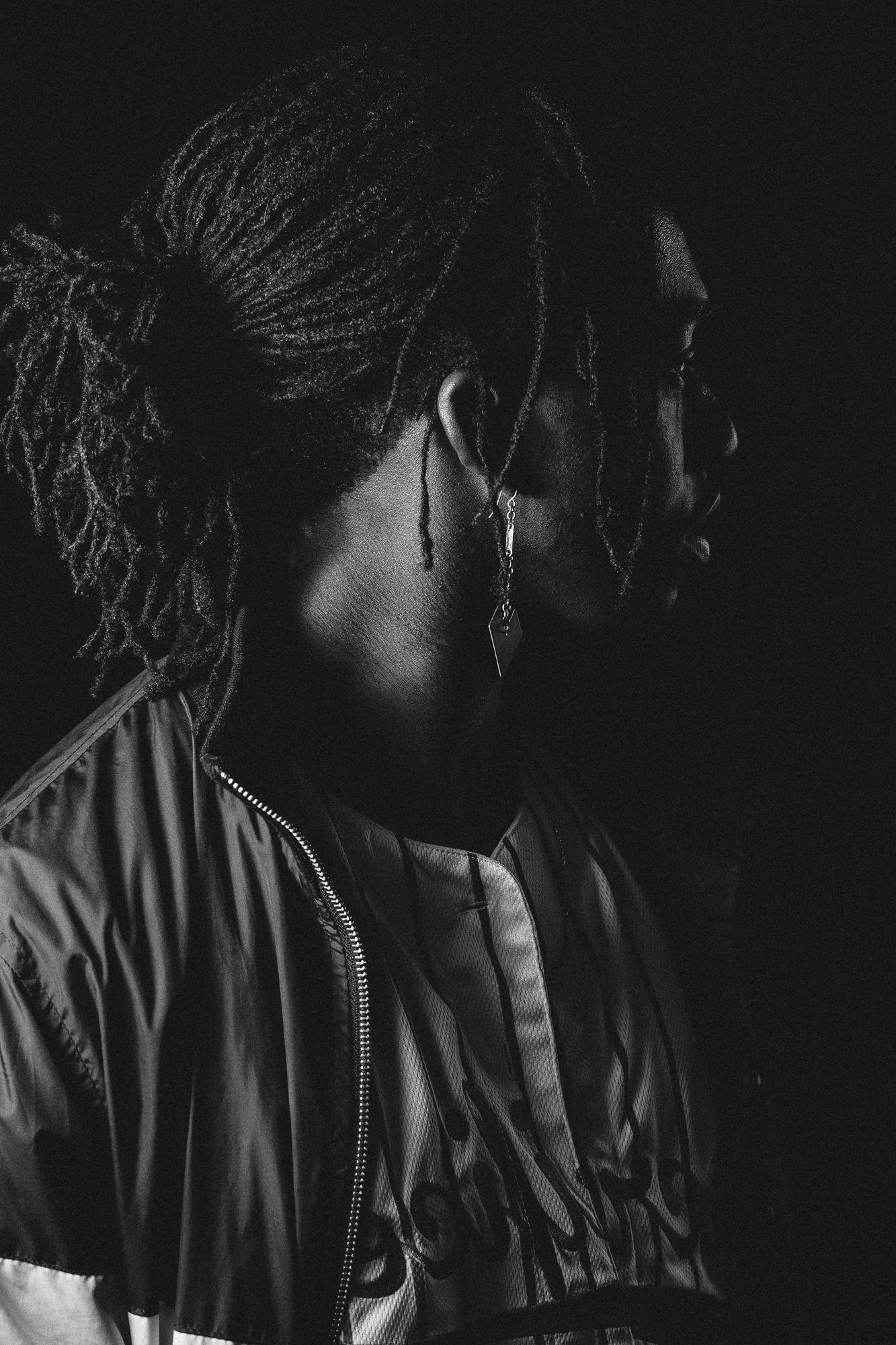
“Since the beginning, rap has had to prove itself. Rap is always looked down upon. It’s so funny, because we talk about the same shit...”
BANBA sees Ric putting together his best raps and most mature songwriting yet. The dance-funk roots of Soul Bounce and Negrow Disco remain, but there’s a newfound emphasis on balance, with patient storytelling and wordplay. Ric has always been an open book about his beliefs and values, but BANBA gives us an even better idea of who he is. Ric’s speaking his mind as vividly as possible is the result of his focus on being the best rapper he can be, every weighty verse painting a picture. To Ric, “the whole cover scenario was an ode to Basquiat because of the hair and how I was dressing, but also I wanted to have this real - every line is a stroke, every rhyme I do is a stroke, and every beat is a canvas on this project. That’s kind of how I wanted to paint it.”
“Split” portrays the anxiety of indecision, and “Kiddie Cocktail” is Ric speaking his mind in ways his more dance-y tracks didn’t always allow. “Don’t Rush” sees Ric looking back at his career, coming to the realization that patience really is a virtue. As Patrick Pryor sings on the hook, “Don’t you know / just take your time / and you will get to where you want to be”. That lesson is how Ric maintains discipline during low moments. Letting go, “I’m doing this, and I’m gonna let the PR people do their jobs, let the label people do their jobs, and then I’m gonna work on my debut album. Then I’m gonna let the people who put that out do their jobs...then I’ll see where it goes. These expectations, we always have these expectations on ourselves about where we should be by a certain age, and that’s where a lot of people get depressed. Because they think they should be something that they’re not.”
In Ric’s mind, the rush is where artists lose sight of who they are. Playing up to expectations, there’s the temptation to get those quick plays in the streaming era. “I could have easily done a track 3 years ago that everybody wanted to hear at the time, but it’s not what I want to hear, it’s not what I want to make, it’s not what I want to bump.” As he says on “Hang Loose”, Ric doesn’t chase the wave, he makes it. For Ric, that’s an existential necessity as an artist. “You kind of stop caring a little bit, you get in the studio and create what’s on your mind....tunnel vision on what you want to do. When you do what you want to do, and it comes out and everyone loves it, or people hate it...you did what you want to do so you’re always happy,” a mentality that remains fulfilling for Ric.
When we spoke to Ric two years ago, he was 21 and still in the early stages of his come-up. Looking back, he can see the changes he’s made internally since then. “2015 Ric was ready to rush things. 2015 Ric was ready by this age, at 22, thinking I’d have a headliner at Pitchfork... 2015 Ric also didn’t understand that you don’t have to be the most famous artist to be the most substantial artist. Also, 2015 Ric didn’t know 2018 Ric was going to glow up the way I am now (smiles).”
Ric’s vision is long term, and “everything that happens with me, I take pride in saying that it’s not premature...everything is a steady grind and build. I used to shun that, but now I really appreciate it because it shows people it takes some time...Use your talent, be organized, surround yourself with a great team.” With more bars, more performances, and more music, the painting of Ric’s career pulls further into focus, and we can’t look away.