Rich Robbins Brings Together All The Right Ingredients for In Good Taste
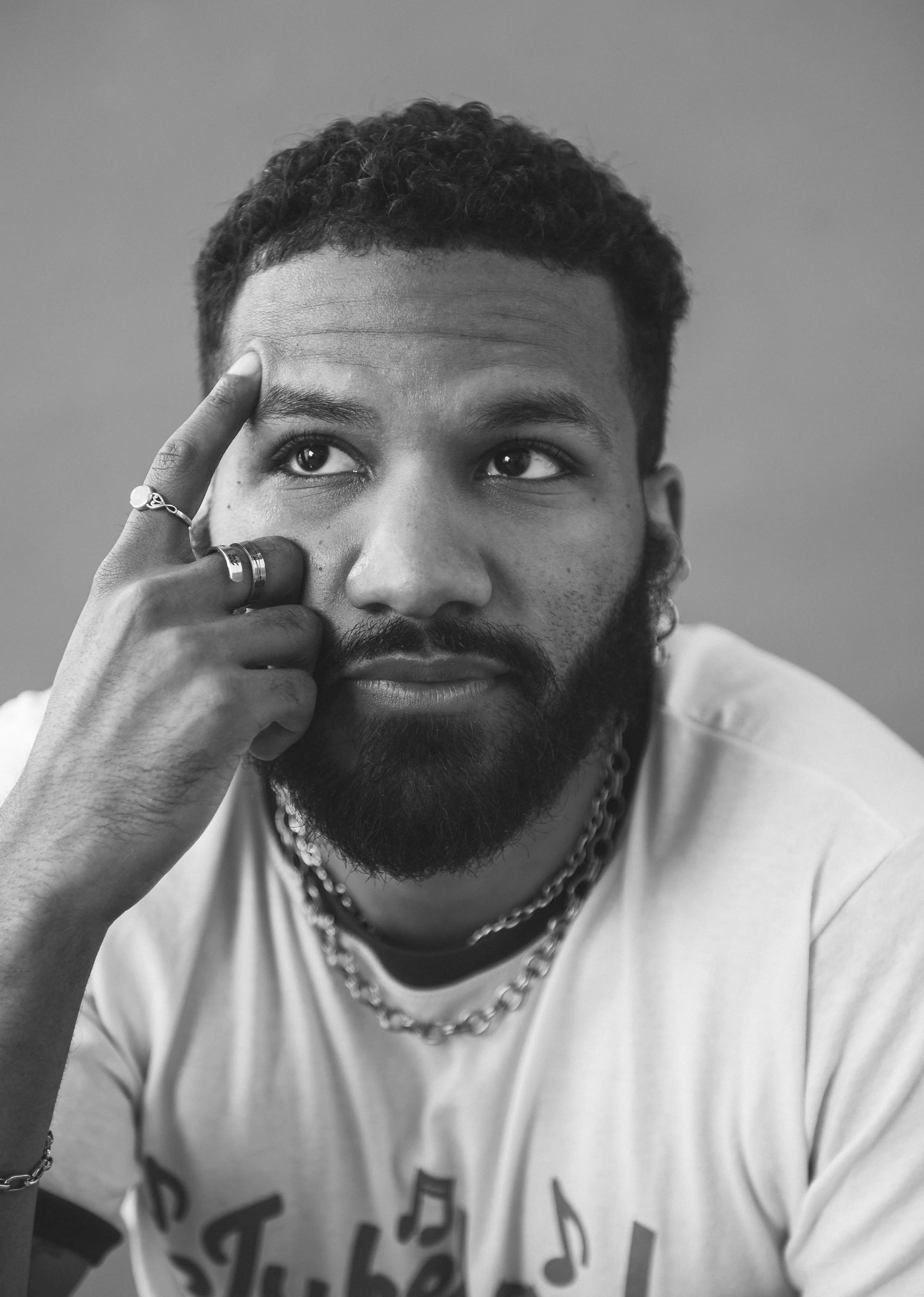
Photography by Brooklyn Gulley
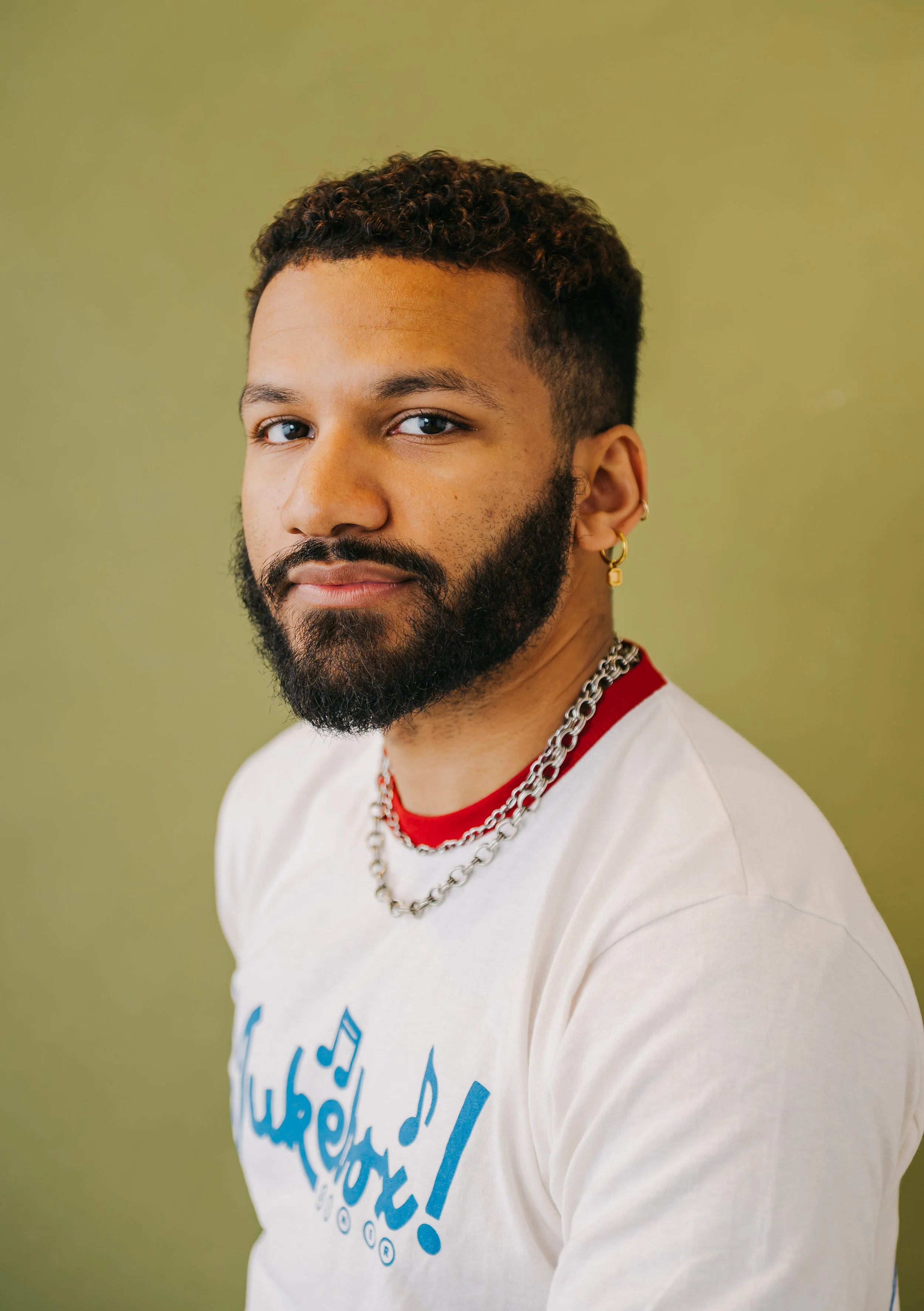
Collaboration is one of the major components that takes a few words in the Notes App to a bigger, completed work. For Rich Robbins, In Good Taste was the result of collaboration and is a testament to the community-oriented nature of the Chicago music scene.
The Oak Park native moved to Philadelphia at age 3, where he would reside for eleven years until moving back to the western suburbs of the city in high school. Since then, Rich has been immersing himself in the Chicago music scene as a community artist.
I had the opportunity to chat with Rich about the making of his new album, the distinction between industry and community artists, and had him make the challenging decision to choose his favorite from the album.
What inspired you to get into music in the first place?
So I actually initially started with slam poetry. So I was a part of the slam poetry team at OPRF, and that's where I fell in love with writing. It then introduced me to the broader Chicagoland that creates. Like Chance was doing YOUMmedia at the time. There was also Noname and Mick Jenkins. We were all kids at the time, you know. I watched them come up.
Around the time they started touring and such, is when I went to college. It was like a two-way street. I wanted to stay connected to the Chicago music scene, but it's so hard to stay connected to a city when you're not living in the city. Now it's a little easier with social media, and you can easily reach out to different artists and don’t having to be in the city to make a buzz in the space. Back then, though, the open mic circuit was hot and buzzing, and you wanted to be present for those things. It was challenging to be away at school, but I also wanted to be an artist.
How was that switch from poetry to rapping? I know both can overlap at times, so how was it navigating that?
I like to say they’re cousins since they're so closely related. It was relatively simple. For me, there were things that words could not say. I was at The Juju Exchange album listening a couple of days ago, and Nico [Segal] said that a trumpet can say something that a voice can’t and can relay a message that he couldn’t vocally. That’s what inspired me to dive deeper into my music. As a shorty, I remember how much music played such a big role in my life, and I have fond memories of listening to music with my Dad. Soul and jazz helped shape the rapping I wanted to do. Bridging the lyricism from poetry over melody felt like a natural stage for me.
I love a good poem now and then. That being said, how does your songwriting process go? Do you get inspiration from a beat, or do the words come first?
It depends on how I'm feeling on that day. For In Good Taste, the process started in my home studio, and I would make a skeleton of a beat up until the point where I was like, ‘Okay, I have some lyrics in here. Now, I’ll hit record.’ I'm throwing some ideas at the wall, like demo vocals. When I would lock in on something that I’m like, ‘Oh, I have something dope here,’ I’ll take it to the Studio Shapes and work with Renzell. He’ll bring more of the production a little bit more to life, and then we will invite musicians to come and fill in other spaces. A lot of silo work, then one-on-one between Renzell and me, and more communal after that. That’s how all the songs were made.
Is there anything more we should know about the production for In Good Taste?
There were a lot of different things that came into production for this. I feel like we tried to take on a lot with the project, but not too much either. When I thought about taste, taste is moved throughout our everyday life in ways we don’t pick up on. Taste is obviously through stylistic choices, but it’s also who I choose to love, who I choose to share moments with, and inheriting taste from people who came before me. When I thought of it like that, I’m like, ‘Oh, this album has to be diverse and versatile.’ I wanted it to be a soundtrack for somebody’s life for everyday things. In a lot of ways, I feel like you have to listen to this album in different moments of life, like fall in love and listen to the album, break up with someone and listen to the album, get a new job and listen to the album, let it rain and listen to the album. There are so many different things to pick up on in the album, and it’s built that way. I love music, so I knew the production had to have a lot of melody in it, but also give me the room to write a verse and bring in vocalists.
I also knew that something I tackle with my career is being labelled as a community artist versus an industry artist. There’s such a distinction between the two. If you’re an industry artist, I feel like people come to you for music solely from you. If you’re a community artist, you’re more of a community member, but also do this thing on the side, where you create, but people will come to you more for community engagement. I love doing that, and I remember talking to Renzell like, ‘If there’s a moment where I’m leaning too much into the density of lyricism, talk to me about it. How do we add more musicality to balance it out?’ or ‘If I’m not challenging my pen enough on this record, tell me so I’ll step it up.’ There’s no reason I feel like I can’t do both of those things and be respected for both of those things. I feel like this album was that. Put this against any other album that comes out this year, and this one is objectively raw.
How did you go about picking out the features for this project?
It was weird. When you look at the track list, it looks like there are a lot of features on it, but when you listen to the album, I feel there's never a moment where it's like ‘I’m hearing too many different voices.’ Everything fits so well, you know. I think one of my favorite compliments I've gotten so far is that all the features sounded like they were already there. Like, the person was in the room with us and was like, ‘Okay, now it's my turn to step in.’
It was a lot of conversation, though. There were a couple of artists that I knew I wanted to work with on the album off the rip. I have always wanted to work with Femdot. I also always wanted to work with theMIND. We both share the Philly roots and moved here around the same time, too.
There were also other moments where it was like, ‘Okay, this song, like, needs another voice on it.’ Like MOYANA is at Shapes all the time making stuff, and it’s like ‘Yo, you want to do something to this?’ Then, before you know it, the contribution becomes a feature. It’s a mix of how everything came together for this.
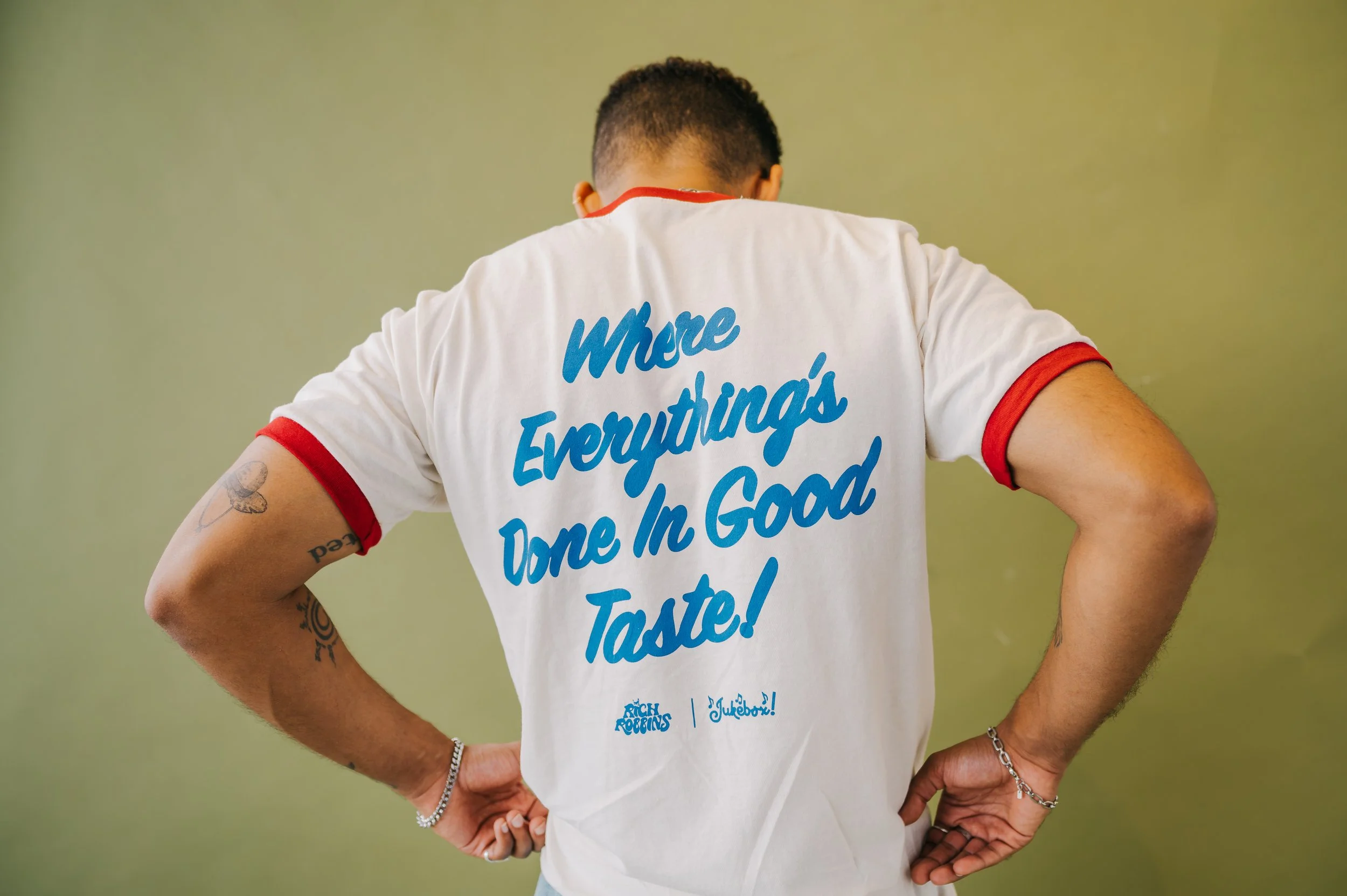
What was a memorable part of making this album for you?
We had two back-to-back sessions with at least 15 people in the studio during these sessions, right? I had this moment where I was walking around Studio Shapes’ Circle Room. It's this big kind of living room space, and they have a vocal booth, a kitchen, and two recording rooms. In each room, there was something different happening for the album. In the vocal booth, the vocalists are arranging this one chorus for like track three; in the living room, Kobe is doing some engineering on track six; in the kitchen, people are eating since we fed everyone; and in the two back rooms, Lonzo is doing keys for track four. As we were working on track one in the other room, someone told me to pause and look at what’s happening right now.
It's like a whole retreat, and everybody was so into it. I was like, ‘Oh, oh, this album is gonna be crazy.’ When I was a younger artist, I would kill to be in a room like that. The day of I was in a ‘go, go, go’ mindset, trying to have these things done, but I’m glad someone said, ‘Yo, take a break real quick and look and take in everything that’s happening.’ It gave us a lot of memories.
I feel like what's cool about this album is that when I listen to it, I am reminded of the moments where we made those specific sounds, like ‘Oh, I remember how that solo came to be’ because I was in the room when it happened. We recorded those memories, and that's really what the album is. A series of recorded memories that other people now get to build their own memories, and that's the circle of life right there.
Last question for you, Rich! What was your favorite from the new project?
I've been saying this to everybody that asked me my favorite song is: ‘I got 13 kids now, and I can't pick one of them.’ There are a couple of joints that I knew would be hits, like “BALANCE.” I knew that was gonna be great. TheMIND’s on it, and it was one of the first songs that we made for the album. There's a record called “GOOD ENOUGH” that I always liked, but I was like, ‘Oh, this is, this is gonna be a sleeper on the album.’ People have been rocking with it, and I’m so happy they are. When we performed it live at Lincoln Hall, everybody was like, ‘Was it good enough, good enough?’ The whole audience singing it was really dope, and I think that that song means a lot to me too, because that's something that weighs on me a lot, like is the work that I'm doing good enough on a day-to-day basis? Am I a good enough son? Am I a good enough rapper, singer, whatever it is, you know? I'm really happy that people seem to like it as much as I liked it when I made it.